

*This post may contain affiliate links for which I earn commissions.*
Buying a coffee machine seems simple—until you start comparing options. Suddenly you’re faced with endless choices: espresso makers, drip brewers, pod machines, bean-to-cup systems, and even manual presses. The truth is, there’s no one-size-fits-all solution. The right coffee machine for you depends less on flashy features and more on how you actually live day to day.
Do you need a quick cup before running out the door, or do you savor the ritual of crafting the perfect espresso shot? Are you brewing for one person, a family, or even a busy household where everyone wants something different? Matching your coffee habits, space, budget, and taste preferences to the right type of machine can save you money, reduce frustration, and make every cup feel like it came from your favorite café.
This guide walks you through the key factors to consider so you can confidently choose the coffee machine that fits your lifestyle—not someone else’s.
Step 1: Understand Your Coffee Drinking Habits
Before looking at features or price tags, start with a simple question: how do you actually drink coffee? Your daily routine is the biggest factor in finding the right machine.
- How many cups do you drink per day?
- If it’s just one or two, a single-serve machine or compact espresso maker might be enough.
- If you’re brewing for multiple people or like to sip throughout the day, a drip machine or bean-to-cup system could be more practical.
- What type of coffee do you enjoy most?
- Strong espresso shots? You’ll want an espresso or bean-to-cup machine.
- Simple black coffee? A drip coffee maker or French press might suit you.
- Milk-based drinks like lattes and cappuccinos? Look for a machine with a built-in frother.
- How do you like to prepare coffee?
- Do you prefer speed and simplicity, pressing a button and walking away? Pod and automatic machines shine here.
- Or do you enjoy the process—grinding beans, tamping espresso, frothing milk by hand? A manual or semi-automatic machine will give you that barista-like ritual.
By mapping your habits first, you’ll avoid buying a machine that looks impressive but doesn’t actually fit into your lifestyle.
Step 2: Match Machine Types to Lifestyle Needs
Once you understand your coffee habits, the next step is matching those habits to the right style of machine. Each type has its strengths and trade-offs, and the best choice depends on what you value most—speed, flavor, convenience, or ritual.
- Pod / Capsule Machines
- Best for: Busy people who want a quick, no-mess cup.
- Why: One button press delivers consistent results, with little cleanup.
- Consider: Ongoing pod costs and limited coffee variety.
- Drip Coffee Makers
- Best for: Families or anyone who brews multiple cups at once.
- Why: Large carafes keep everyone caffeinated; simple to use.
- Consider: Less customization, and coffee can lose freshness if it sits too long.
- Espresso Machines
- Best for: Coffee lovers who crave rich, café-style drinks.
- Why: Offers control over espresso shots, milk frothing, and drink style.
- Consider: More skill, time, and cleanup required.
- Bean-to-Cup Machines
- Best for: Those who want fresh coffee with minimal effort.
- Why: Grind beans automatically, brew espresso or longer drinks, and often include milk systems.
- Consider: Higher upfront cost, larger footprint, more maintenance.
- Manual Methods (French Press, Pour-Over, AeroPress, Moka Pot)
- Best for: Minimalists, travelers, or purists who enjoy the brewing ritual.
- Why: Simple, affordable, portable, and can produce excellent coffee.
- Consider: No automation—requires attention, practice, and patience.
Step 3: Consider Your Space & Kitchen Setup
Even the perfect coffee machine can become a frustration if it doesn’t fit your kitchen or daily setup. Before you buy, think about where it will live and how you’ll use it.
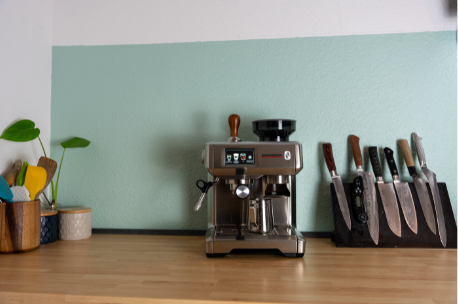
- Countertop Space: Larger machines, like bean-to-cup or premium espresso makers, take up significant room. Compact pod machines or manual brewers are better for smaller kitchens.
- Height & Clearance: Many coffee makers load water from the top. If your machine sits under cabinets, make sure there’s enough room to open the lid or remove the water tank.
- Power & Placement: Machines with milk frothers or grinders may need a stable, dedicated spot near a reliable outlet.
- Noise Considerations: Built-in grinders and frothers can be loud—something to think about in shared spaces.
Step 4: Factor in Budget & Long-Term Costs
It’s easy to focus on the sticker price of a coffee machine, but the real cost of ownership goes beyond the initial purchase.
- Upfront Price: Manual brewers and drip machines are usually the most affordable; bean-to-cup and premium espresso machines cost more upfront.
- Ongoing Costs: Pods, beans, filters, and accessories add up. Pods are convenient but cost more per cup than beans.
- Maintenance: Descaling, cleaning products, and replacement seals are recurring expenses.
- Energy Use: Machines that stay on all day can increase electricity bills—auto shut-off helps minimize waste.
A machine that looks cheap upfront can become costly over time, while a higher-priced machine with lower running costs may save money in the long run.
Step 5: Maintenance & Ease of Use
A coffee machine isn’t just about how well it brews—it’s about how easy it is to live with.
- Cleaning Frequency: Pod and drip machines need minimal cleaning; espresso and milk systems need more attention.
- Descaling Requirements: Machines with built-in reminders simplify the process.
- Ease of Operation: Do you want one button or full control?
- Milk System Maintenance: Frothers must be cleaned regularly to stay hygienic.
- Replacement Parts: Check availability of filters, carafes, and seals.
The best machine is one you can realistically maintain.
Step 6: Lifestyle Extras & Nice-to-Have Features
Not essential, but features that can elevate the experience:
- Built-in Grinder for fresh flavor and space-saving.
- Milk Frothing Options for cappuccino and latte lovers.
- Programmable Timers to wake up to fresh coffee.
- Smart Connectivity for app control and personalization.
- Cup Size Flexibility for everything from espresso to travel mugs.
- Energy-Saving Functions like auto shut-off.
Pick features you’ll actually use—not just the ones that sound impressive.
Step 7: Sustainability & Eco-Friendly Choices
Eco-conscious buyers should factor in:
- Pod Waste: Opt for recyclable or reusable capsules.
- Energy Efficiency: Look for eco-modes and fast-heating systems.
- Durability: A machine that lasts longer reduces waste.
- Reusable Accessories: Metal or cloth filters cut down on single-use waste.
Small choices here can reduce environmental impact without sacrificing convenience.
Step 8: Narrow Down with a Checklist
Ask yourself:
- How many cups per day do I drink?
- What type of coffee do I enjoy most?
- How much counter space do I have?
- What’s my realistic budget, including ongoing costs?
- Do I want speed and simplicity, or the craft of making coffee?
- Do sustainability and eco-friendliness matter to me?
Answering these questions will quickly guide you toward the right machine type.
Conclusion & Next Step
Choosing the right coffee machine isn’t about chasing the newest model or the one with the most buttons—it’s about finding the machine that fits you. By considering your habits, space, budget, maintenance needs, and lifestyle extras, you’ll avoid buyer’s regret and enjoy every cup.
The “best” coffee maker for someone else may be wrong for you. A commuter may prefer the speed of a pod system, while a home barista will thrive with a semi-automatic espresso machine. What matters is how well it supports your daily routine.
Now that you know what to look for, you’re ready to explore more detailed guides tailored to specific needs—like best coffee machines for small kitchens, best espresso machines for beginners, or eco-friendly coffee brewing options. With the right match, your kitchen can become your favorite café.